

Hospital Administration: last places available

Health Promotion, the Master’s that suits your interests





The motivation to participate in the Postgraduate Course in Health Economics and Health Outcomes stemmed from the desire to gain a deeper understanding of how the Portuguese healthcare ecosystem functions, particularly in relation to the approval of medicines. The hybrid format of the classes fits well with an active professional life as a Market Access manager in a pharmaceutical company. The diverse experiences of both the instructors and participants make the sessions collaborative and dynamic.
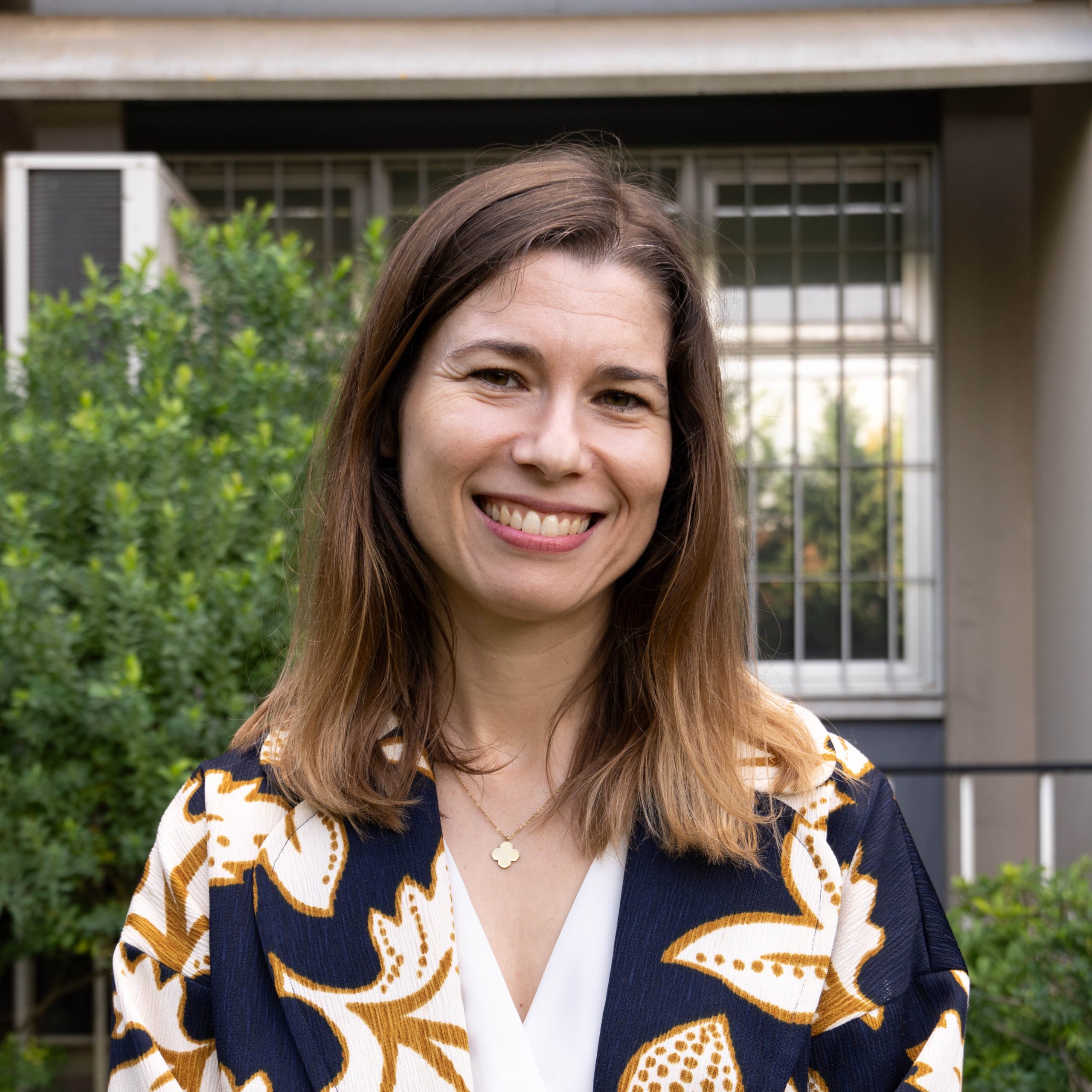
At NOVA NSPH I found much more than just a place of learning, I found an environment where I was able to grow on many levels. From my Master’s to my PhD, I took part in national and international projects that resulted in publications and conference presentations. I also took on responsibilities as President of the Students’ Association and as a member of the Pedagogical Council, contributing with initiatives that made a real impact on our community. The close relationship with lecturers, researchers and fellow students made this experience unique, created a lasting bond with NOVA NSPH, and strengthened my confidence in the path I chose to follow.
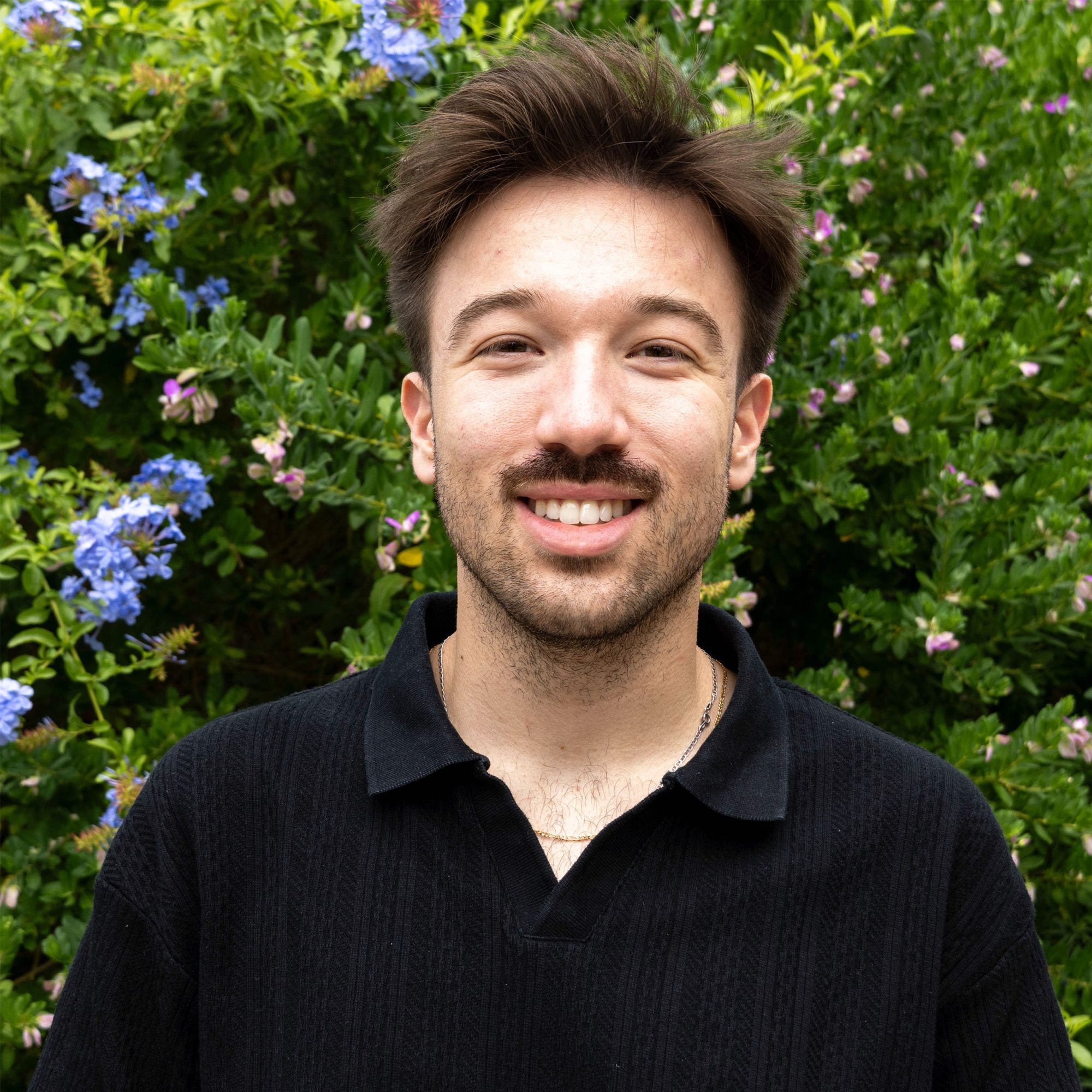
The Postgraduate in Health Economics and Health Outcomes was essential to complement my training in Pharmaceutical Sciences. The classes, materials, and practical examples provided a comprehensive view of Health Economics, which motivated me to pursue a PhD in Public Health at NOVA NSPH. In addition to the knowledge gained, the sharing of experiences among colleagues was enriching. The course boosted my career, allowing me to better understand the healthcare system and evolve as a hospital pharmacist and now as a research fellow.
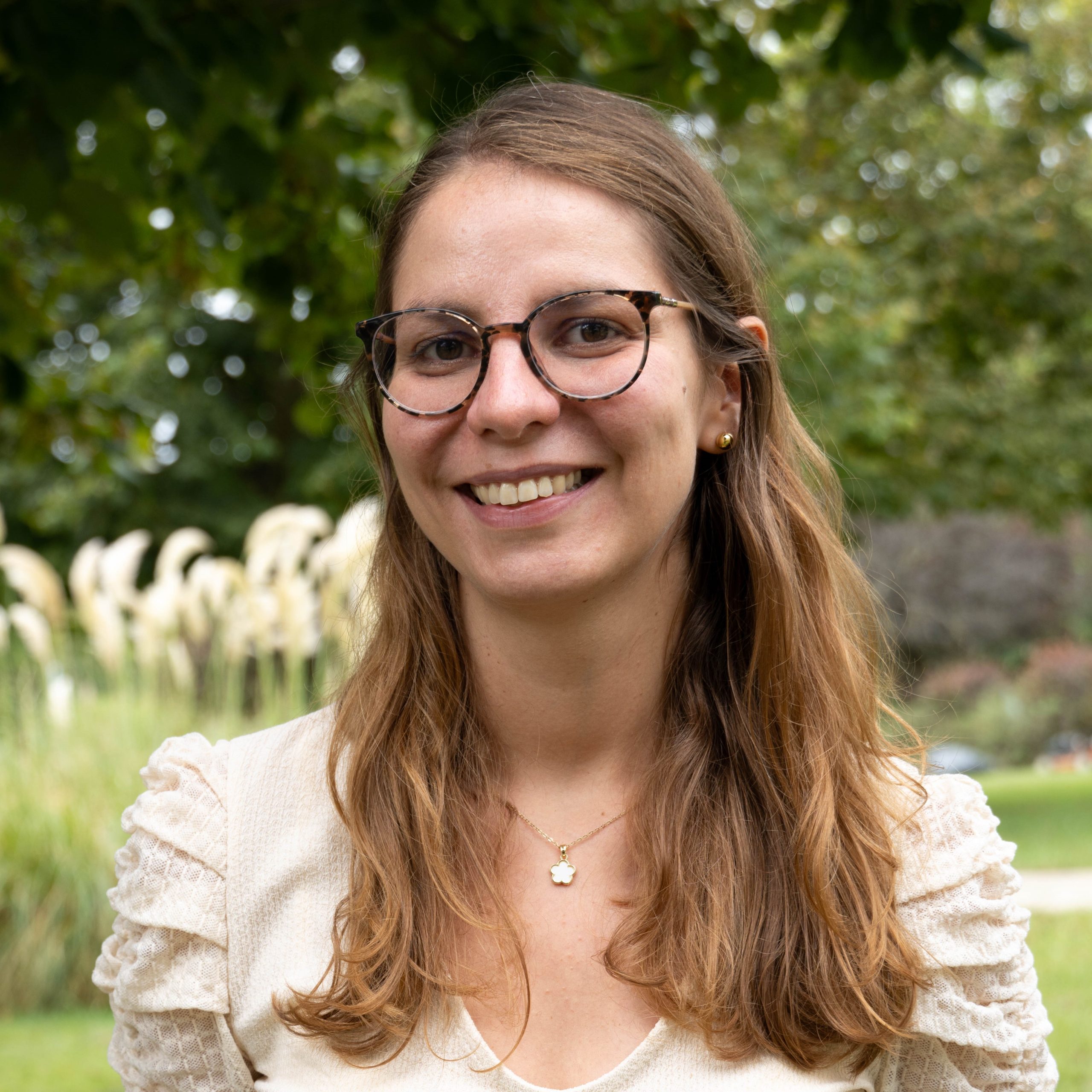
My journey at NSPH began 4 years ago when I joined the Master's programme in Public Health, and has been consolidated until I started my PhD. Along the way, I've had the opportunity to take part in national and international research projects that have made a decisive contribution to my academic and professional growth, allowing me to build a solid and diverse network. I actively participated in the school's associative life, which was an enriching experience, not only because of the teamwork and community spirit, but also because I was able to represent and contribute to the continuous improvement of the student pathway at NSPH. NSPH is not only a place for learning, but also a place for belonging, growth and transformation. And it is with great pride that I am part of this community.


Sónia Dias has been re-elected Director of the National School of Public Health of NOVA University Lisbon (NOVA NSPH) for a new four-year term, following the electoral process held on 13 May 2026.
The election took place within the framework of the electoral process for the position of Director of NOVA NSPH, with Sónia Dias being unanimously elected by the members of the School Council.
The submitted candidacy will allow for the continuation of the work carried out in recent years, with the strengthening of strategic areas such as internationalisation and partnerships, innovation in public health, knowledge transfer, and sustainability, in alignment with the priorities of NOVA University Lisbon.
In presenting her candidacy, Sónia Dias highlighted the importance of consolidating the growth achieved by NOVA NSPH in its different mission areas, such as teaching, research, and cooperation with society, while simultaneously reinforcing the institution’s capacity to respond to new public health challenges.
“The recent progress of NOVA NSPH is the result of a collective effort and strong internal mobilisation. It is with this confidence, and with the conviction in the potential of our community, that I approach this new term, to consolidate the School’s growth and strengthen its role as a reference institution in public health, in Portugal and internationally,” states Sónia Dias.
In teaching, the new cycle aims to consolidate and update the educational offer, deepen the commitment to a student-centred experience, and strengthen pedagogical innovation, including the launch of a public health simulation centre. The ambition to expand the School’s educational offer to new study cycles, including the new Bachelor’s degree in Global Public Health, also emerges as one of the development priorities for the coming years.
In research, the focus will be on sustaining the very significant growth achieved in recent years, strengthening internationally competitive excellence research, the capacity to attract and retain researchers, and the robustness of support structures. The articulation between research and teaching, as well as the reinforcement of the institution’s scientific culture, also appear as priorities for the next term.
Regarding cooperation with society, the programme foresees a renewed impetus for the School’s third mission, particularly through the launch of the Public Health Innovation Centre, conceived as a platform for scientific and technological advancement and support for the transformation of public health in Portugal.
In the concluding remarks of her candidacy presentation, Sónia Dias emphasised that the recent progress of NOVA NSPH is the result of a collective effort and strong internal mobilisation. She therefore expressed confidence in the potential of the School’s academic and professional community to continue affirming NOVA NSPH as a reference institution in public health, in Portugal and internationally.

The NOVA National School of Public Health is marking today, 13 May, EUTOPIA Day, an annual moment of celebration and visibility for the EUTOPIA Alliance, a network of European universities that seeks to build an innovative model of higher education based on international collaboration, interdisciplinarity and responses to global challenges.
More than an academic network, EUTOPIA establishes itself as a strategic platform for the transformation of European higher education, promoting a more collaborative, inclusive, sustainable and impact-oriented vision. Through this alliance, students, faculty, researchers and staff are invited to take part in international experiences of learning, research and innovation, in collaboration with different European institutions and contexts.
In the case of NOVA University Lisbon, and of NOVA NSPH in particular, this participation translates into a wide range of opportunities with a direct impact on the School’s academic and scientific life. Mobility programmes, joint training initiatives, challenge-based learning experiences, collaboration between research teams and participation in international networks are part of a dynamic that strengthens NOVA NSPH’s openness to the European space and to collaborative work.
EUTOPIA also promotes new forms of collaborative research, focusing on strategic areas and contemporary problems with strong social relevance. In this context, the so-called Connected Communities are particularly noteworthy, as they link teaching, research and society, involving external partners and fostering the co-creation of innovative solutions. For a school such as NOVA NSPH, deeply committed to science oriented towards action and impact, this approach represents a particularly relevant opportunity.
On the occasion of EUTOPIA Day, NOVA NSPH sought to gather contributions from its academic community, reflecting the diversity of experiences, perspectives and impacts associated with participation in this European alliance.
According to Paulo Sousa, lecturer and Head of Internationalisation at NOVA NSPH, “participation in the EUTOPIA network strengthens the internationalisation of NOVA NSPH, promoting collaboration between lecturers, researchers and students from other European universities”. This dimension is central to the School’s positioning, as it not only broadens networks and opportunities but also affirms NOVA NSPH within a European space of sharing, innovation and joint development.
The research dimension also emerges as one of the areas in which EUTOPIA has been generating value. For Carolina Santos, lecturer at NOVA NSPH, “integration in EUTOPIA has strengthened our capacities linked to scientific entrepreneurship, and the recent application to an EIT call for European alliances has consolidated this strategic position”. The lecturer summarises this experience in three words: collaboration, innovation, impact.
Marta Marques, also a lecturer at NOVA NSPH, further highlights the concrete effect that this participation has had on the School’s scientific activity: “the EUTOPIA European network has transformed our research: more mobility, more competitive applications, more collaborative supervision”. For the lecturer, this experience can be summarised in three key ideas: mobilisation, synergy, strategy.
Students also play a central role in the life of the alliance. Through structures such as the EUTOPIA Student Think Tank and the EUTOPIA Student Council, they have the opportunity to participate in reflection processes, scientific production, organisation of initiatives and international dialogue with peers from different European universities. For Cláudia Almeida, a student at NOVA NSPH and member of the EUTOPIA Student Council representing NOVA University Lisbon, “representing NOVA NSPH in EUTOPIA means accessing unique ecosystems of knowledge and innovation and sharing experiences with students from different cultures and backgrounds”. In three words, she summarises this experience as: growth, sharing, opportunity.
NOVA NSPH’s participation in EUTOPIA thus reinforces several core dimensions of the School’s mission: internationalisation, pedagogical and scientific innovation, networked collaboration, and the capacity to respond collectively to complex public health challenges. By joining this alliance, NOVA NSPH not only expands opportunities for its academic community but also deepens its engagement in increasingly European, interdisciplinary and society-connected models of teaching, research and innovation.

Learn more about EUTOPIA:
https://www.unl.pt/en/eutopia/
https://eutopia-university.eu

The NOVA National School of Public Health (NOVA NSPH) will take part on 9 May in the 3rd edition of the “Mexer Contra o Cancro” (“Move Against Cancer”) event, organised by the Portuguese League Against Cancer, which will take place at the Jamor National Sports Centre between 09:00 and 18:00.
In an event where science, community, and physical activity intersect with a shared purpose – supporting cancer research – NOVA NSPH will be present with a dedicated space showcasing the work it develops in oncology and public health. The School will present research projects, promote direct engagement with the public, and reinforce the importance of prevention, health literacy, and equity in cancer response.
At the NOVA NSPH space, materials promoting the School’s educational offer will be available, as well as content on ongoing research projects related to cancer prevention. This initiative involves faculty members Sónia Dias and Marta Marques, as well as researchers Ana Gama, Maria João Marques, Patrícia Marques, and Walaa Kinaan.
NOVA NSPH’s presence at this event represents an important opportunity to present to the community the work the School has been developing in international projects with direct impact on health promotion, disease prevention, and the reduction of inequalities. Featured projects include TRACE, EquityCancer-LA, ELEVATE, and CHILI, which reflect the intersection between public health research, health literacy, equity, and cancer prevention.
More than an institutional presence, this participation reaffirms NOVA NSPH’s commitment to action-oriented research with a strong connection to society. By bringing science closer to people in a community setting, the School reinforces one of the core dimensions of its mission: placing knowledge at the service of improving population health, promoting more informed, inclusive, and effective responses.
“This initiative allows us to show how public health research can contribute in a concrete way to cancer prevention, to the promotion of health literacy, and to the reduction of inequalities. It is also an important opportunity to strengthen NOVA NSPH’s connection to the community and to highlight the role of science in the service of society,” says NOVA NSPH Director Sónia Dias. “Taking part in this event is a way of bringing our work closer to people, reinforcing our third mission and our commitment to a science that informs, mobilises, and transforms,” she adds.
Participation in the Portuguese League Against Cancer event therefore aligns with NOVA NSPH’s vision, which values not only scientific and academic excellence, but also its connection to the community and social transformation, through knowledge sharing, awareness-raising on major public health challenges, and the building of bridges between research, policy, and practice.
Throughout the day, the School’s space will enable conversations with the public, dissemination of ongoing initiatives, and contact with concrete examples of applied research, making visible how NOVA NSPH contributes to addressing complex challenges such as cancer through an integrated approach centred on prevention, equity, and health literacy.
NOVA NSPH’s presence at this event is also an opportunity to demonstrate how public health research can have real and close impact, involving researchers, scholarship holders, and students in an exercise of communication and knowledge sharing with the community, in line with the School’s vocation for socially relevant science.